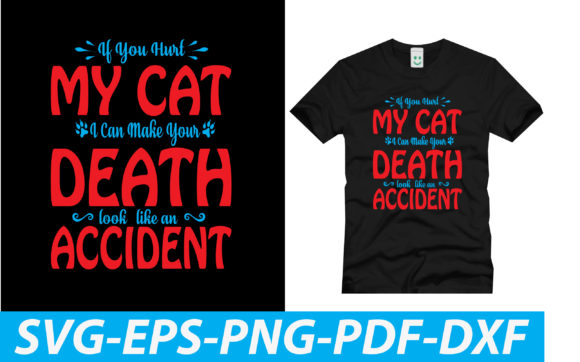
If You Hurt My Cat
As an embroidery designer and product reviewer, I often find myself evaluating digital files for real-world use. If You Hurt My Cat is a design that immediately catches the eye with its playful yet bold personality. It’s not just a simple graphic—it’s a statement. The theme is clear, the layout is balanced, and the visual tone leans into a mix of humor and defiance, making it ideal for a variety of creative applications.
The First Impression
When I first opened the file, I was struck by the simplicity of the concept. The phrase itself is catchy, and the design elements around it are clean and well-structured. There’s a strong visual hierarchy that makes the text stand out without overwhelming the surrounding space. The shape of the design is compact enough to work on smaller items like patches or baby clothes, but it also has enough detail to feel meaningful when stitched onto larger surfaces like tote bags or sweatshirts.
The mood is lighthearted but not overly childish. It’s perfect for a brand that wants to convey a sense of personality while still maintaining professionalism. Whether it’s used on a custom t-shirt for a pet lover or as part of a holiday gift, the design feels versatile and ready for real-world application.
Real-Life Embroidery Scenarios
I tested If You Hurt My Cat on a few different projects to see how it would perform in actual use. On a cotton tote bag, it looked great—clean lines and a solid shape made it easy to stitch. The design didn’t require too many colors, which is a plus for both time and cost efficiency. For a sweatshirt, the placement worked well, and the overall look was cohesive with the garment’s style.
On baby clothes, the design felt appropriate and not too aggressive. It could be a fun addition to a onesie or a blanket, especially for a family with a cat. For an apron or a kitchen towel, the design added a personal touch without being too flashy. It’s the kind of design that can elevate a basic item into something more memorable.
As an embroidered patch, If You Hurt My Cat would make a great addition to a jacket or a backpack. The size and detail level are suitable for a small hoop, which is a big plus for hobbyists and small business owners who may not have access to large embroidery machines.
Where to Use It Carefully
While If You Hurt My Cat is a solid design, there are some situations where it might not perform as well. On small hoop sizes, the details could get lost if the design isn’t scaled appropriately. It’s important to check the recommended hoop size before starting any project.
On textured fabrics, the design might not sit as smoothly as it would on a flat surface. Thin or stretchy fabrics could cause the stitches to pucker or distort. Dark fabrics might require a contrasting thread color to ensure visibility, and layered garments could complicate the stitching process.
Curved surfaces like caps or hats might require some adjustments to the design to ensure it looks good when stitched. Tiny lettering or intricate corners could be challenging, especially if the stitch density is too high. It’s always a good idea to test the design on scrap fabric before committing to a final project.
Impact on Visual Appeal and Customer Trust
If You Hurt My Cat adds a unique touch to any product it’s applied to. It’s not just a design—it’s a conversation starter. Customers who see this on a tote bag or a sweatshirt might think it’s handmade, which can increase perceived value. The clarity of the stitching is important here; if the design looks messy or poorly executed, it could turn off potential buyers.
For small business owners, this design can help build brand consistency. It’s a great fit for a craft business that wants to offer personalized gifts or custom apparel. The design’s visual appeal can also improve buyer engagement, especially on platforms like Etsy or at craft fairs.
As a digital product seller, I appreciate the flexibility of the file formats included. The SVG, EPS, and DXF files make it easy to resize and adjust the design for different uses. The PNG and PDF files are helpful for mockups and presentations, which is essential for showing clients or customers what the final product will look like.
Practical Designer Notes
Before using If You Hurt My Cat in a commercial project, I recommend testing it on a few different fabrics to see how it performs. Check the thread color contrast, especially if you’re using it on dark or light backgrounds. Review the stitch density to make sure it’s appropriate for the fabric you’re using.
Confirm the hoop size required for your machine and make sure the design fits comfortably. Inspect the small details to ensure they’re visible and well-defined. Test the design in black and white mockups to see how it looks without color. This can help you decide on the best thread colors for your project.
Use the proper stabilizer for the fabric you’re working with, and make sure the design is compatible with your embroidery machine. If you plan to sell finished products or digital files, double-check the licensing terms to avoid any legal issues.
Final Thoughts
If You Hurt My Cat is a design that offers both personality and practicality. It’s well-suited for a range of embroidery projects, from custom apparel to personalized gifts. With careful consideration of fabric type, stitch density, and hoop size, it can be a valuable addition to any craft business or handmade shop.
Whether you’re an Etsy seller, a small shop owner, or a hobbyist, this design has the potential to add a unique touch to your products. Just remember to test it thoroughly and make adjustments where necessary to ensure the best possible outcome.