Skeleton and a Cat Head
As a designer who’s spent years working with machine embroidery designs, I always start by evaluating a new file based on its visual appeal, practicality, and how it translates to real-world use. Skeleton and a Cat Head is an intriguing design that blends macabre charm with playful whimsy. It’s the kind of piece that could work well in a variety of projects, from custom apparel to holiday gifts, but it also comes with some considerations that every embroiderer should be aware of.
The First Impression: Mood, Layout, and Visual Personality
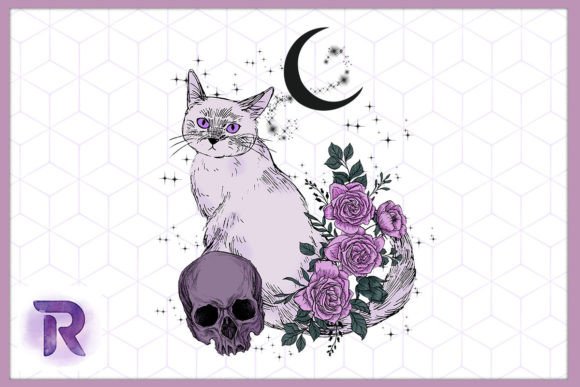
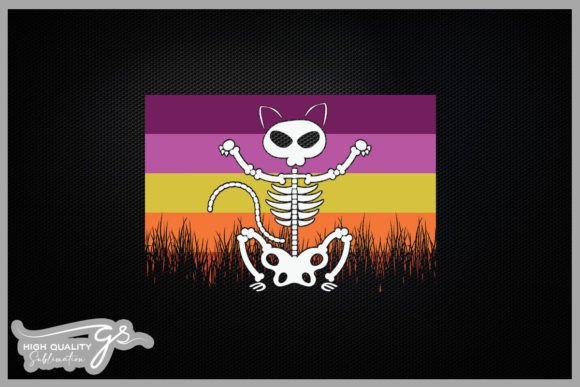
When I first saw Skeleton and a Cat Head, I was struck by its bold contrast and clear visual identity. The skeleton is simple but recognizable, and the cat head adds a touch of humor and personality. The layout is balanced, with enough detail to make it interesting without being overwhelming. This makes it ideal for projects where the design needs to stand out but still remain wearable or usable.
The design seems to lean toward a gothic or Halloween aesthetic, which means it naturally fits into themes like spooky decor, seasonal apparel, or personalized gifts. However, it’s not so dark that it can’t be adapted for more subtle uses—like a quirky patch or a unique tote bag design.
Real-Life Embroidery Scenarios: Where It Shines and Where It Needs Care
Skeleton and a Cat Head would work well on a range of items, including custom apparel, sweatshirts, t-shirts, and tote bags. Its clean lines and defined shapes make it suitable for both large and medium-sized hoop setups. However, if you're planning to use it on something like a baby item or a delicate fabric, you’ll need to be careful with stitch density and stabilizer use.
This design could also be a hit on patches, aprons, and caps. The simplicity of the skeleton allows it to be easily adapted for different sizes, and the cat head adds a friendly touch that could appeal to a wide audience. But if you’re thinking about using it on a curved surface like a cap, you might want to test it first to ensure the stitching doesn’t distort the shape.
For small business owners or Etsy sellers, Skeleton and a Cat Head has potential as a digital product or printable mockup. It could be used in a line of handmade products, especially if paired with other similar designs. However, it’s important to consider how it will look on different fabric colors and textures before finalizing any listings.
Where to Be Cautious: Fabric, Hoop Size, and Detail Handling
While Skeleton and a Cat Head is visually appealing, there are a few areas where care is needed. If you’re working with small hoop sizes, this design might require multiple hooping steps, which can be time-consuming. Thin or stretchy fabrics may also pose challenges, especially around the detailed parts of the cat head or the skeleton’s joints.
On dark fabrics, the design might appear too light, depending on the thread color you choose. You’ll want to test it in black and white mockups to see how it looks before committing to a full project. Similarly, if you’re planning to use it on layered garments or textured fabrics, you might need to adjust the stitch density to avoid puckering or distortion.
Dense stitch areas, like the skeleton’s ribcage or the cat’s ears, could become too thick if not handled properly. This could affect the overall look and feel of the finished product, especially if it’s meant to be worn or used frequently.
Impact on Visual Appeal, Customer Trust, and Branding
When used correctly, Skeleton and a Cat Head can add a unique flair to your handmade products. It has the potential to catch attention, especially in a market where customization and personalization are highly valued. Customers often look for designs that stand out, and this one offers a mix of humor and style that could resonate with a niche audience.
From a branding perspective, this design could help reinforce a brand’s identity if it aligns with the overall aesthetic. However, it’s important to ensure that it fits within the broader product lineup. A mismatched design could confuse customers or dilute the brand message.
For commercial embroidery projects, Skeleton and a Cat Head could be a good fit, especially if the target audience appreciates edgy or humorous designs. Just be sure to check the licensing terms before selling any finished items or digital products.
Practical Designer Notes: Testing and Preparation
Before using Skeleton and a Cat Head in a real project, I recommend testing it on scrap fabric. This will help you understand how the stitches interact with different materials and whether the design needs adjustments. Check the thread color contrast to ensure it stands out on the intended fabric.
Review the stitch density to make sure it’s appropriate for the project. Confirm the hoop size required and inspect small details to ensure they come through clearly. Test the design in black and white mockups to see how it looks on various backgrounds.
Use the right stabilizer for the fabric type, and make sure the design works for both personal and commercial use. Always double-check the licensing information to avoid any issues when selling or distributing the design.
Final Thoughts: A Unique Design with Practical Potential
Skeleton and a Cat Head is a design that offers a fresh take on combining dark and playful elements. It has the potential to be a valuable addition to any craft business, especially if used thoughtfully. With the right preparation and attention to detail, it can translate well into a variety of embroidered projects, from custom apparel to personalized gifts.
As with any machine embroidery design, success depends on how well it’s adapted to the specific project and fabric. By following best practices and testing thoroughly, you can ensure that Skeleton and a Cat Head delivers the visual impact and quality your customers expect.